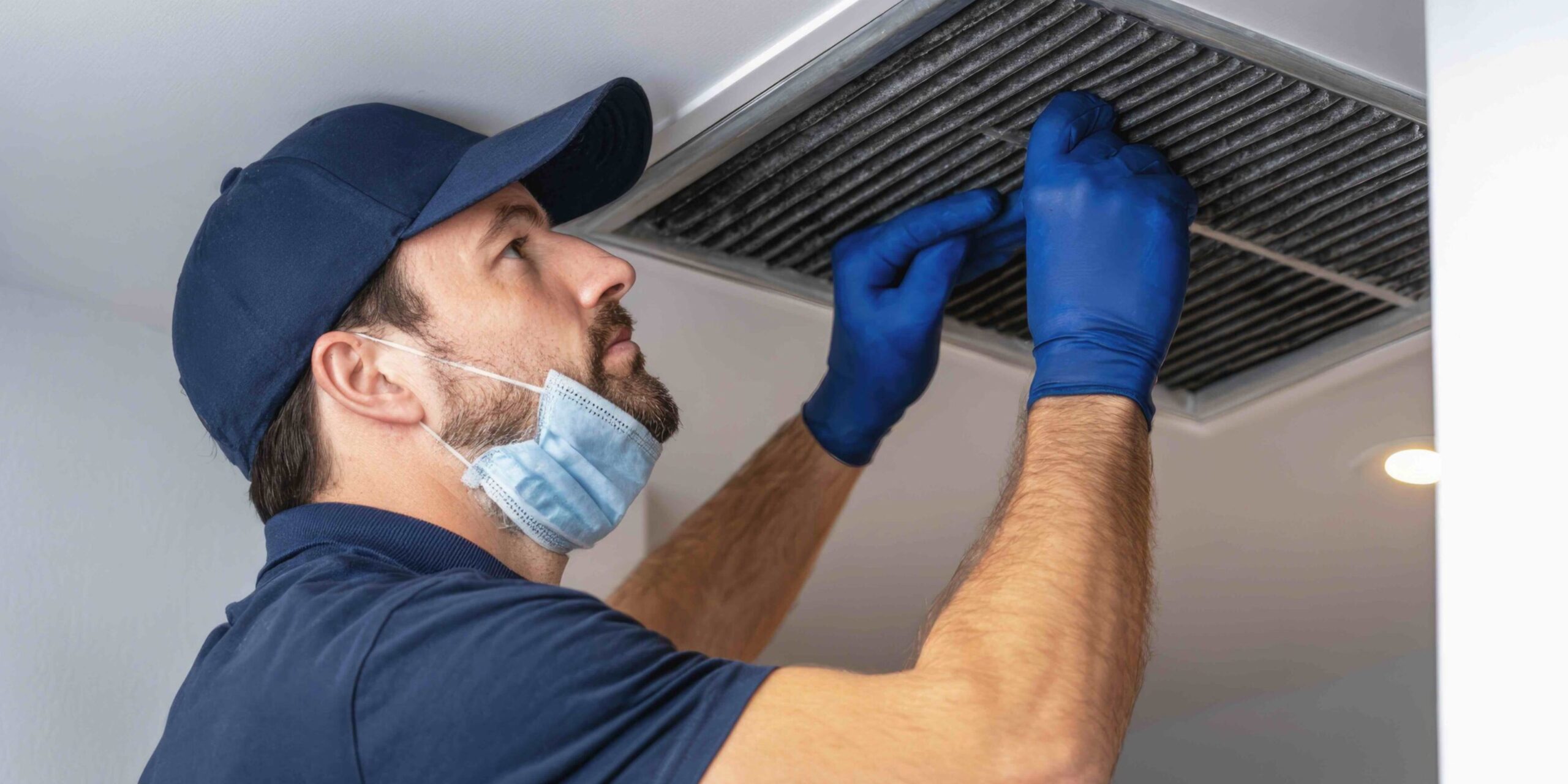
Mold growth inside an HVAC system can affect your indoor air quality, increase health risks, and reduce the efficiency of your heating and cooling equipment. Since HVAC systems pump air in all parts of your house, mold in air duct cleaning services, coils, or other parts can transfer spores to other rooms.
Knowledge of the cost of HVAC mold cleaning, warning signs, and insurance coverage can assist homeowners to make prompt action before the issue escalates. This guide will discuss the causes of HVAC mold, its identification, cleaning services costs, and whether your insurance can cover the costs.
What Causes Mold in HVAC Systems?
Mold thrives in places where moisture, warmth and organic substances are available. HVAC systems are usually the best place where molds can grow, particularly when moisture issues are not tackled.
Common causes of HVAC mold are:
- The moisture level in the house is high
- Leaks of water around air conditioning or ductwork
- Clogged condensate drains
- Poor ventilation
- Dirty air filters
- Too much moisture on evaporator coils
- Water or flood damage.
Mold can be avoided by regular HVAC maintenance and moisture control to safeguard your indoor air quality.
Signs Your HVAC System Has Mold
Early detection of HVAC mold will save you the expenses of making expensive repairs and enhance the security of your house. There are those signs that can be easily observed and others that might need professional examination.
Musty or Moldy Odors
One of the most typical signs of mold in an HVAC system is a strong musty smell emitted by your vents. When the smell gets worse when your heating or cooling system is on, it is possible that you have mold growing in your ductwork, air handler, or coils.
Visible Mold Around HVAC Components
You can observe black, green, white, or brown spots around:
- Air vents
- Duct openings
- Condensation pans
- Air conditioning units
- Furnace areas.
The presence of visible mold cannot be disregarded as it may spread further in case moisture issues are not addressed.
Increased Allergy or Respiratory Symptoms
Spores of molds discharged by HVAC systems can cause such symptoms as:
- Sneezing
- Coughing
- Nasal irritation
- Watery eyes
- Throat discomfort.
Individuals who are allergic, asthmatic, or sensitive to respiratory irritants can have more severe reactions to mold in the home.
Reduced HVAC Performance
System efficiency can be impacted by the presence of mold and moisture.
Signs may include:
- Weak airflow
- Prolonged cooling or heating
- Higher energy bills
- Abnormal sounds of the HVAC system.
Excess Moisture or Water Damage
Common condensation, leaks or wet spaces surrounding HVAC equipment can be indicative of conditions favorable to the growth of molds.
How Much Does HVAC Mold Cleaning Cost?
The price of HVAC mold cleaning professionally is determined by the size of the system, the extent of contamination, and the services needed. Homeowners can anticipate paying a few hundred dollars to several thousand dollars on the average to get professional mold removal.
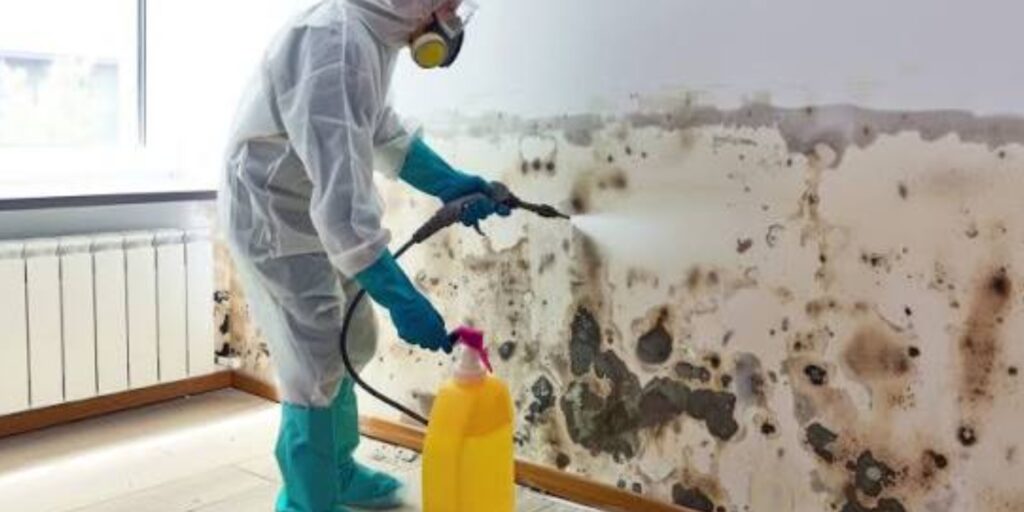
Average HVAC Mold Cleaning Costs
Typical price ranges include:
Basic HVAC cleaning: $200–$600
Air duct mold removal: $500–$2,000
Comprehensive HVAC mold cleanup: $2,000-$6,000 and above.
The final cost depends on factors such as:
- Amount of mold present
- Availability of affected areas
- HVAC system size
- Need for replacement parts
- Repairs needed to avoid future growth of molds.
Factors That Affect Mold Cleaning Prices
System Size
HVAC systems and homes with large duct systems tend to be more time-consuming and labor-intensive, which makes them more expensive.
Mold Severity
Minor surface contamination can be addressed by simple cleaning, whereas extensive contamination can necessitate more advanced remediation measures.
Type of HVAC Component Affected
The cost of cleaning can be different based on the presence of mold in:
- Air ducts
- Evaporator coils
- Drain pans
- Blower compartments
- Air handlers.
Repairs and Prevention
In case the mold was brought about by leaks, drainage issues or broken insulation, further repairs can be required to ensure that the problem does not recur.
Does Home Insurance Cover HVAC Mold Cleaning?
The coverage of HVAC mold cleaning by the homeowner’s insurance will depend on the cause of the mold and the policy details. Mold removal is not covered by insurance in most instances when mold has grown due to improper maintenance or due to moisture issues that have existed over an extended period of time.
Coverage can however be provided in case the mold is caused by a covered event.
Situations Where Insurance May Cover Mold Removal
Your policy can assist in covering the cost of mold-related repairs in case mold was caused by:
- Breaking of a water pipe.
- An unintentional leak of an appliance.
- Storm-related water damage.
- Other covered incidents.
For example, if a pipe bursts and the moisture damage results in the growth of mold in your HVAC, your insurance can pay a part of the remediation fees.
Situations Usually Not Covered
Insurance commonly excludes mold caused by:
- Lack of maintenance
- Long-term leaks
- High indoor humidity
- Poor ventilation
- Preventable moisture problems.
It is always good to check your policy or call your insurance provider to know what you are covered by.
DIY vs. Professional HVAC Mold Cleaning
Certain small mold problems might seem to be easy to handle, yet HVAC mold remediation can be a complex task since the contamination can be located in the concealed places.
When DIY Cleaning May Be Possible
Homeowners may be able to handle small surface areas by:
- Changing clogged air filters.
- Cleaning accessible vents.
- Reducing humidity levels.
- Eliminating surface deposition.
However, improper cleaning practices may occasionally transmit the mold spores or destroy the HVAC elements.
When to Hire a Professional
Professional HVAC mold cleaning is recommended when:
- Mold is inside ductwork
- The size of the affected area is big
- There is recurring mold growth
- Water damage is involved
- Household members have health concerns related to mold exposure.
Certified professionals have specialized tools and methods to safely remove mold and identify the source of moisture.