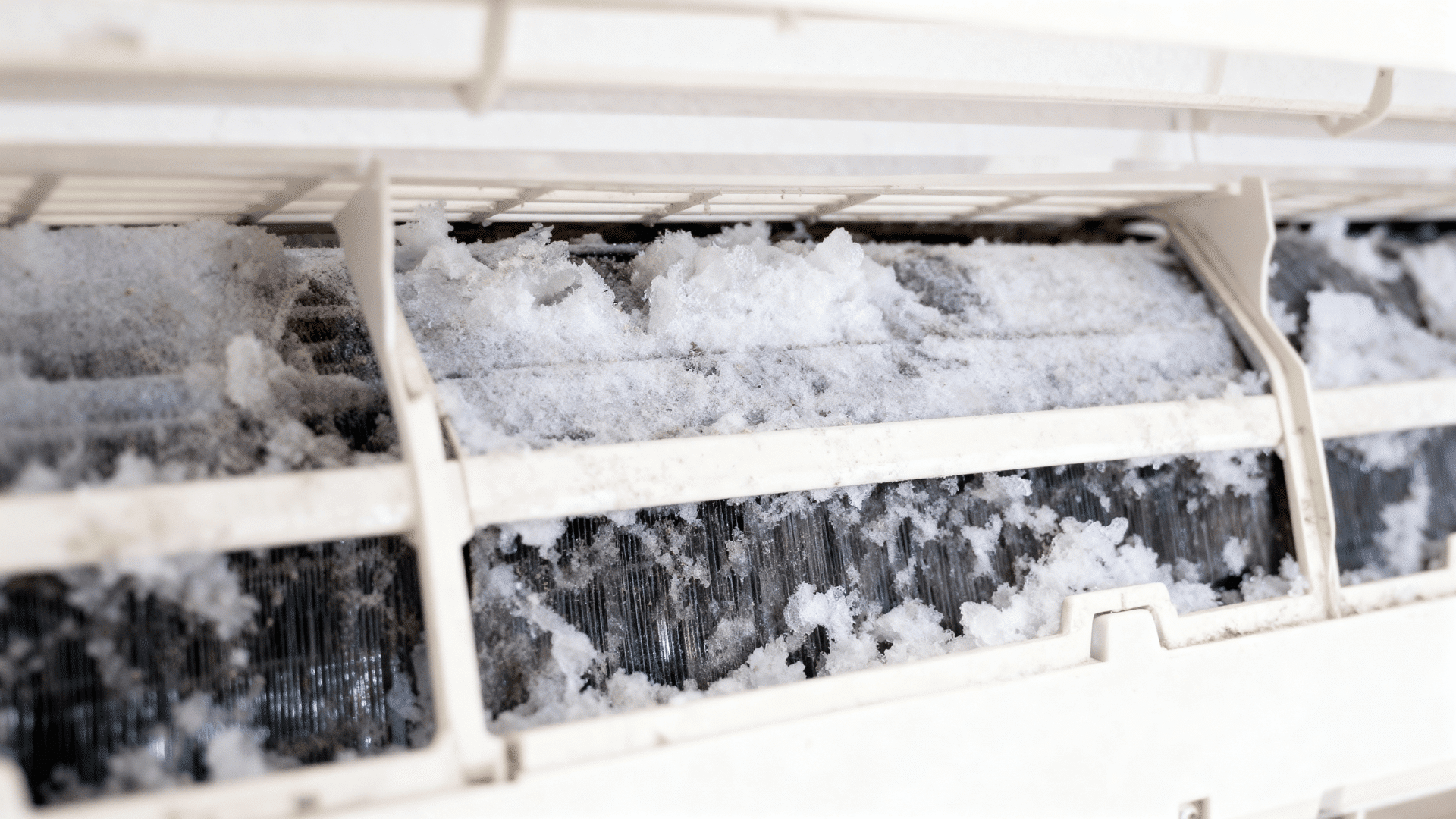
One of the most prevalent air conditioning issues that homeowners experience in hot weather is a frozen AC coil. Your air conditioner is unable to cool your home when your evaporator coil freezes. You might experience poor air circulation, warm air coming out of vents, or even ice formation around the indoor unit. The problem may result in costly repairs, decreased energy efficiency, and permanent damage to your HVAC system. Knowing why AC coils freeze can help you to prevent issues and maintain your cooling system in good operation.
In this guide, we’ll explain the top five causes of frozen AC coils and how to fix them quickly.
Dirty Air Filters Restrict Airflow
A clogged or dirty air filter is one of the main causes of AC coils to freeze. To maintain the evaporator coil at the right temperature, your air conditioner must have adequate airflow. Airflow is reduced considerably when the filter gets clogged with dust, dirt, and pet hair.
In the absence of sufficient warm air flowing over the coil, the condensation on the coil begins to freeze. The accumulation of ice becomes heavier with time and causes your AC to become ineffective.
How to Fix It
One of the simplest AC maintenance jobs is to replace or clean your air filter. The majority of filters should be checked monthly and changed after one to three months based on the usage and indoor air quality.
To fix the issue:
- Turn off your AC system
- Take out the contaminated filter
- Install a clean filter of the appropriate size and rating
- Let the ice on the coil melt away and then restart the unit
Replacing the filters regularly enhances airflow, increases energy efficiency, and prolongs the life of your HVAC system.
Low Refrigerant Levels Cause Coil Freezing
Refrigerant is an important component in the cooling process. When the refrigerant in your air conditioner is low because of a leak, the pressure in the system decreases. This makes the temperature of the evaporator coil drop below freezing.
When the air humidity touches the cold coil, ice starts to form on the surface. The cooling process can eventually be halted by the frozen coil.
The typical symptoms of low refrigerant are:
- Bubbles or hissing
- Warm air from vents
- Longer cooling cycles
- Higher energy bills
- Ice on refrigerant lines
How to Fix It
Low refrigerant is not a home repair. The system must be inspected by a licensed HVAC technician who must find the leak, repair it, and then refill the refrigerant to the proper level.
In case of a refrigerant problem:
- Turn off the AC immediately
- Do not operate the system when frozen
- Schedule professional AC repair service
The compressor is one of the costliest parts to replace, so ignoring refrigerant leaks can be harmful.
Dirty Evaporator Coils Reduce Heat Absorption
Over time, evaporator coils accumulate dirt, dust, and debris. The coils cannot absorb heat when dirty. This makes the coil too cold, so it forms ice.
Dirty coils also make your air conditioner work harder, using more energy and decreasing cooling efficiency. This problem is more likely to occur in homes that have pets, have poor indoor air quality, or are poorly maintained.
How to Fix It
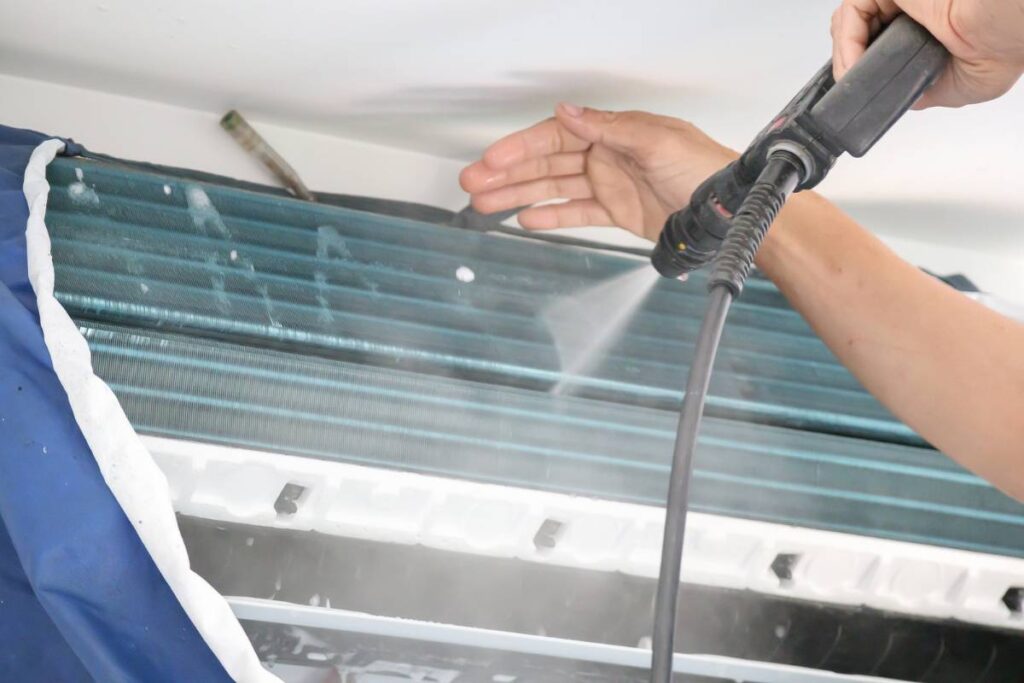
Evaporator coil cleaning can be used to restore the correct heat transfer and prevent freezing issues.
You can do the following:
- Turn off the power to the AC unit
- Reach evaporator coil panel
- Carefully remove dirt using a soft brush or coil cleaner
- Avoid damaging the delicate coil fins
If there is serious buildup, it is advisable to have the coils cleaned professionally. Annual HVAC service will keep coils clean and will keep your system running efficiently during the cooling season.
Blocked or Closed Air Vents Disrupt Circulation
Many homeowners are guilty of creating airflow issues by closing excess air vents in rooms that are not in use. Although it might appear as a method of conserving energy, blocked vents may cause pressure imbalances in the HVAC system.
If there is limited airflow, the evaporator coil can get excessively cold and freeze. Vents can also be covered with furniture, curtains, or dust, which can decrease the circulation and lead to frozen AC coils.
How to Fix It
These are easy steps to follow:
- Keep supply and return vents open
- Clear vents of obstructions
- Clean dust and debris
- Make sure that furniture does not obstruct airflow
Proper airflow is critical to the proper functioning of AC. Even minor limitations may affect the efficiency of the system and predispose your system to frozen coils.
Blower Fan Problems Limit Air Movement
The blower fan circulates air in your HVAC system. When the blower motor is faulty or the fan is damaged, the airflow over the evaporator coil is greatly reduced.
In the absence of sufficient warm air passing over the coil, the moisture will quickly freeze. A broken blower fan may also cause uneven cooling and poor air circulation in your home.
Typical causes of blower fan issues are:
- Worn-out motor bearings
- Electrical issues
- Dirty fan blades
- Broken belts
- Faulty capacitors
How to Fix It
Begin by ensuring the blower fan is working when the AC system is on. In case of weak or irregular airflow, it might be required to check it professionally.
Possible solutions include:
- Cleaning fan components
- Replacing damaged parts
- Repairing electrical connections
- Replacing a blower motor when necessary
Regular HVAC check-ups will help to detect blower problems before they cause frozen coils or system failure.