"Dryer Vent Cleaning: Is It Worth It? 5 Safety & Savings Facts | Air Guarden"
In the unique climate of Connecticut, where high humidity meets freezing winters, your dryer works harder than almost any other appliance. But while we focus on the efficiency of our laundry, we often ignore the “silent threat” hidden behind the wall. At Air Guarden, we’ve analyzed the 2024-2025 fire safety data for CT, and the results are clear: routine maintenance is not just a luxury it’s a life saving necessity.
The Real Fire Risk: 2024-2025 Statistics
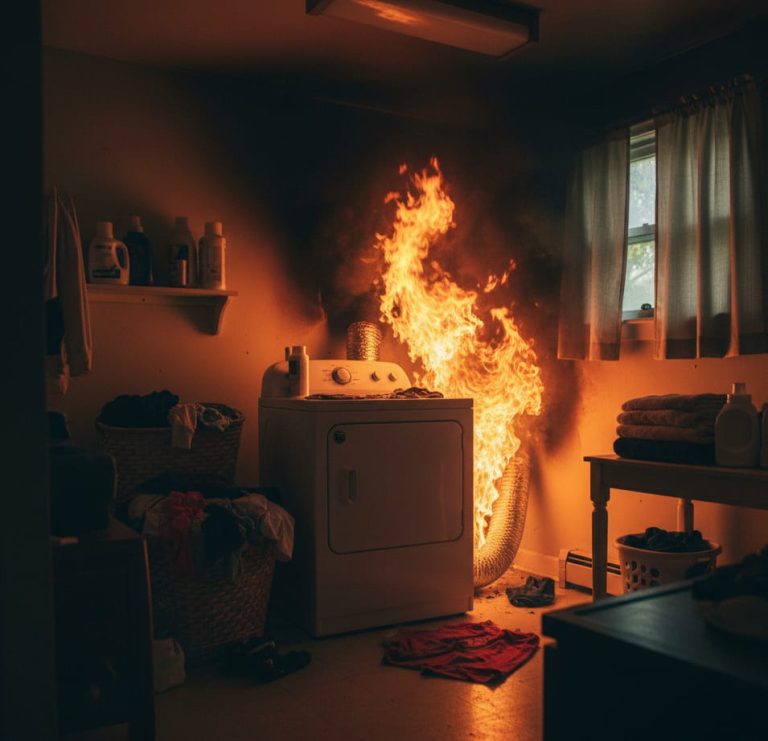
Many homeowners in Norwich and across New England don’t realize that dryer vent maintenance is the most critical fire prevention task in a household. According to the U.S. Fire Administration (USFA), there are approximately 2,900 residential dryer fires annually. Leading Cause: 34% of these fires are caused by a “failure to clean,” specifically the accumulation of highly flammable lint. Seasonal Peaks: January is the peak month for dryer fires, with an 11% increase during winter due to heavier clothing and higher humidity. Economic Impact: These fires result in an average of 5 deaths, 100 injuries, and over $35 million in property damage each year
Mechanical Warning Signs: Thermal Fuses and Heating Elements
When a vent is clogged, your dryer cannot expel hot air, causing internal temperatures to skyrocket. This leads to two major mechanical risks: The Thermal Fuse: This safety device is designed to “blow” when safe temperatures are exceeded, cutting power to the motor. A blown fuse is a symptom of a blockage, not the primary problem. Replacing the fuse without professional dryer vent cleaning leads to immediate re failure or a fire. Heating Element Hazards: In electric dryers, a restricted vent causes the heating element to cycle constantly, which can lead to it shorting or igniting the surrounding lint.
The "Silent Killer": Carbon Monoxide Risks in Gas Dryers
While electric dryers are a fire risk, gas dryers (natural gas or propane) introduce an even more dangerous element: Carbon Monoxide (CO). A clogged vent acts like a blocked chimney. Instead of combustion byproducts exiting your home, they are forced back into the laundry room. Since CO is colorless and odorless, it can cause headaches, dizziness, and confusion without warning. Every Connecticut home with a gas dryer must have a CO detector in the laundry area.
CT Building Codes and Rigid Metal Ducting
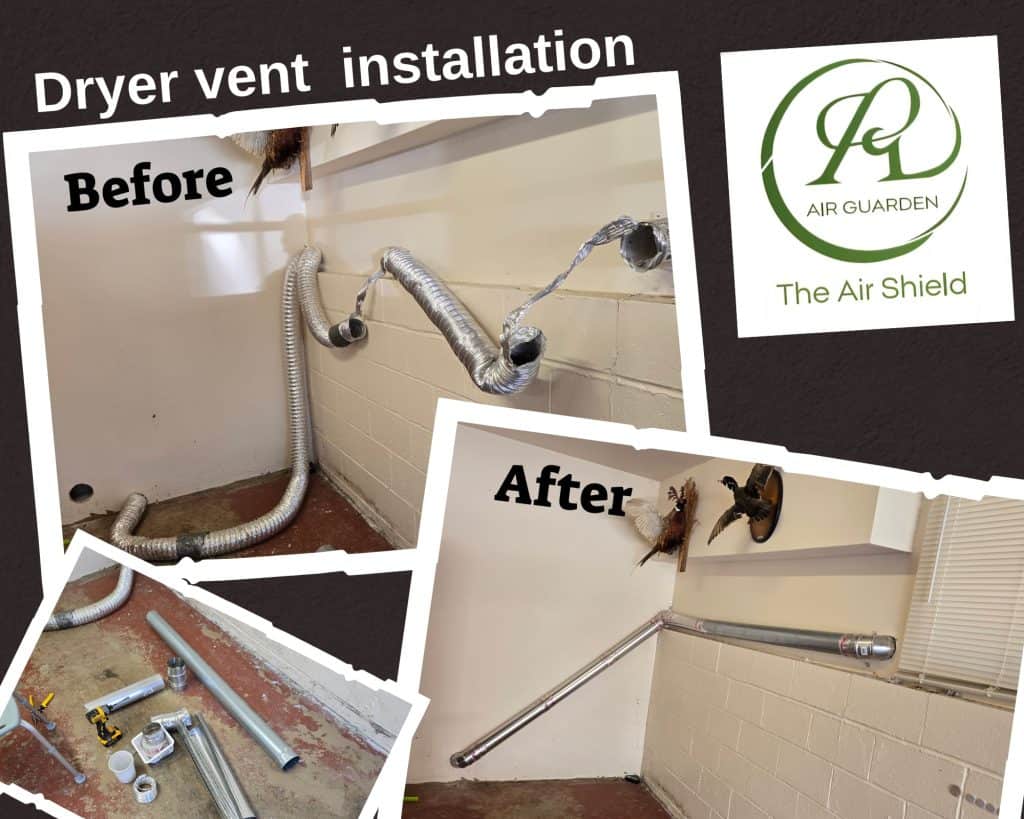
Connecticut’s building codes (C-DET compliance) have tightened in 2025. At Air Guarden, we strictly follow these safety standards: Avoid Plastic and Foil: These materials are highly flammable and restrict airflow. Insist on Rigid Metal: When repairing or installing dryer vents, ensure they meet CT building codes by using rigid metal ducting.
Case Study: A Near-Miss in Norwich, CT
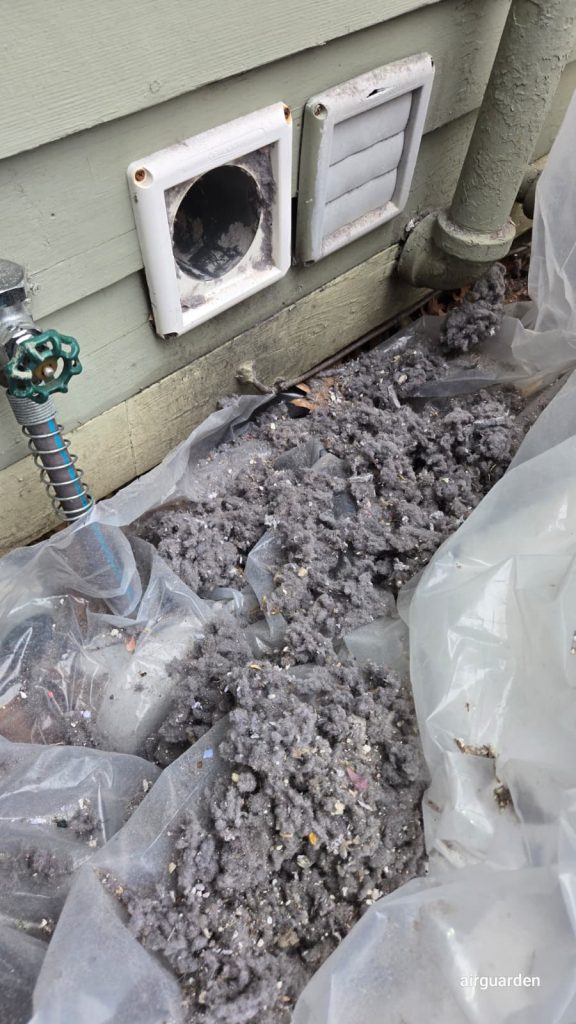
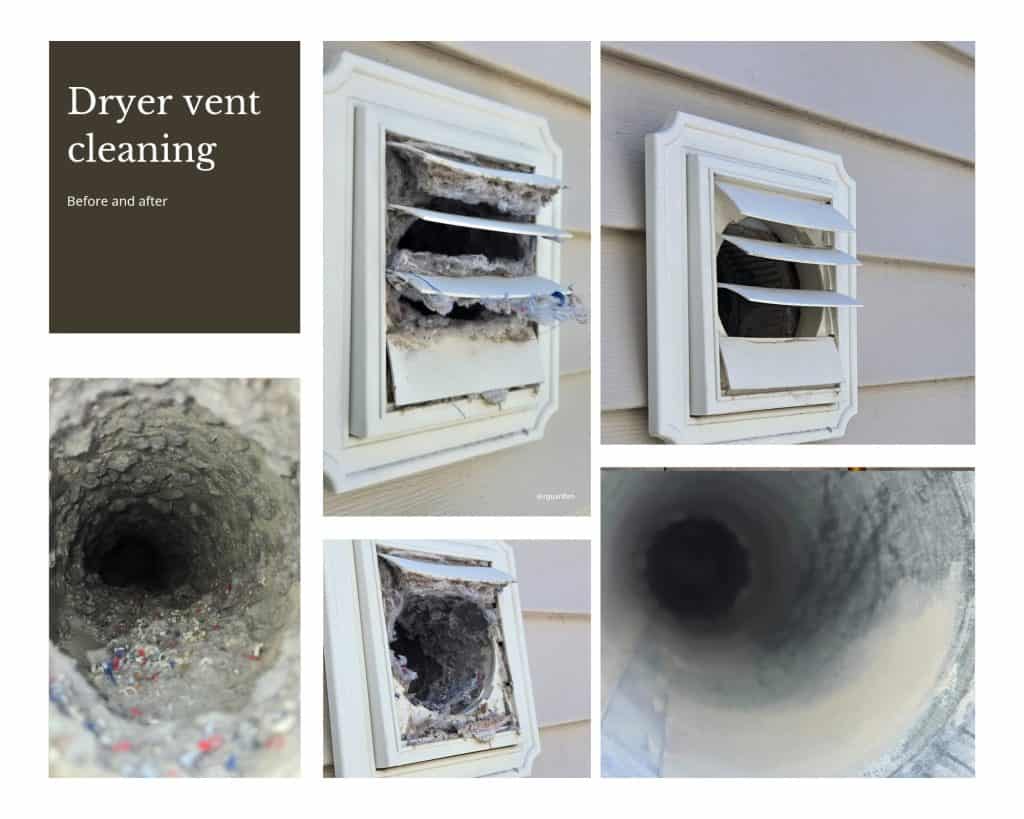
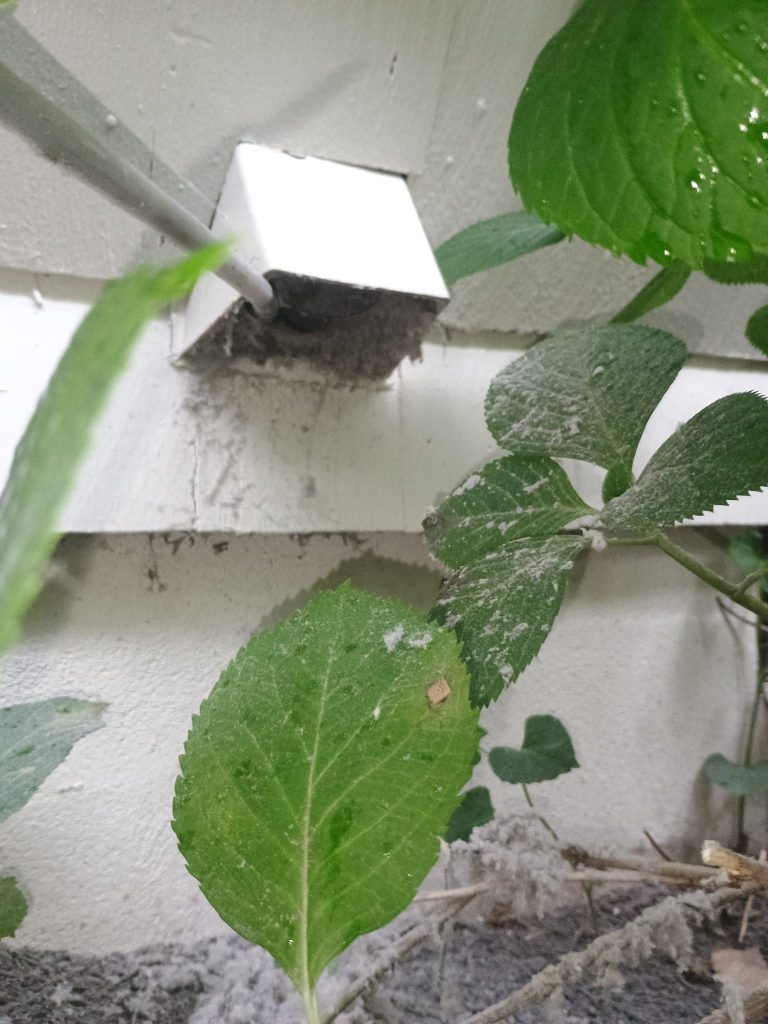
At Air Guarden, we recently performed a routine inspection for a homeowner in Norwich, Connecticut, who noticed their clothes were taking two cycles to dry. Upon inspection, we discovered a severe lint blockage that required immediate Dryer Vent Cleaning to prevent a potential fire. The internal temperature of the dryer had reached dangerous levels, nearly triggering the thermal fuse. After completing the cleaning and replacing the unsafe hose with a rigid metal duct, we also recommended an inspection of the home’s ventilation system. We found that a professional Air Duct Cleaning was also necessary due to the high amount of dust trapped during the recent New England wildfires. This case highlights why preventative maintenance is the only way to ensure your home remains a safe environment.
Professional Dryer Vent Cleaning Cost in CT
We believe in transparency. A routine Dryer Vent Cleaning typically costs between $100 – $150. However, the price may change if the line is exceptionally long or if there is a complex blockage, such as a bird’s nest or a complete clog.
Don't wait for a warning light or a blown fuse to take action. Routine maintenance saves money, increases appliance life, and protects your family.
Click here to check out our website