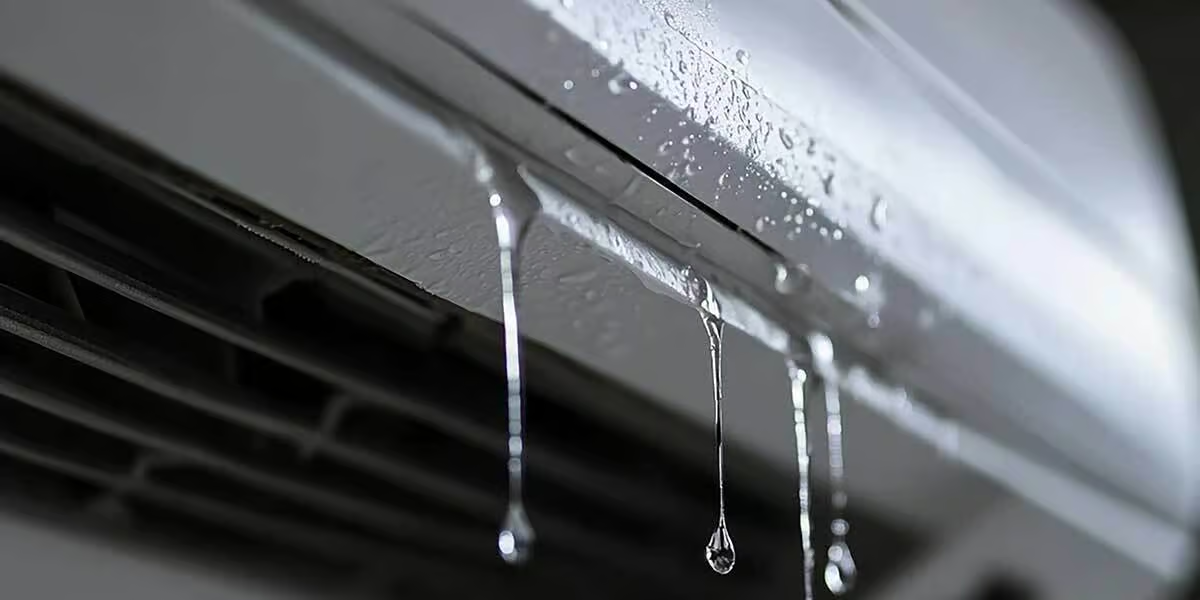
Air conditioning systems are made to ensure that your home is cool, comfortable, and without excess humidity. Therefore, it can be quite annoying and alarming when you see water dripping out of your AC vent. A leaking AC vent is not just a minor inconvenience; it can indicate some underlying problems within your cooling system that can cause water damage, mold, or inefficiency.
Knowing why your AC vent is dripping can assist you in solving the problem before it becomes an expensive fix. Excessive condensation, limited airflow, or blocked drainage elements are the cause of the problem in most instances. Some of the causes are easy to remedy, but others might need the services of a professional.
This guide will describe the most frequent causes of AC vent leaks, how to avoid future issues, and when to call an HVAC technician.
Clogged Condensate Drain Line
One of the most common reasons water drips from an AC vent is a clogged condensate drain line. Your air conditioner purifies the air by taking away the moisture as it cools your house. That moisture gathers in a drain pan and drains through a condensate drain line to get out of the system safely.
Dirt, algae, mold, and debris may accumulate in the drain line over time. Once the line is blocked, water has no place to flow, so it starts reversing in the system. The surplus moisture finally drips through air vents or ceiling registers.
Signs of a clogged condensate drain line include:
- Water stains around vents or ceilings
- Stale smells around the AC system
- Standing water close to the indoor unit
- Reduced cooling performance
Drain line clogs can be prevented by routine AC maintenance. Regular flushing of the line and maintenance of the system keeps it clean and enhances drainage.
Dirty Air Filter Restricting Airflow
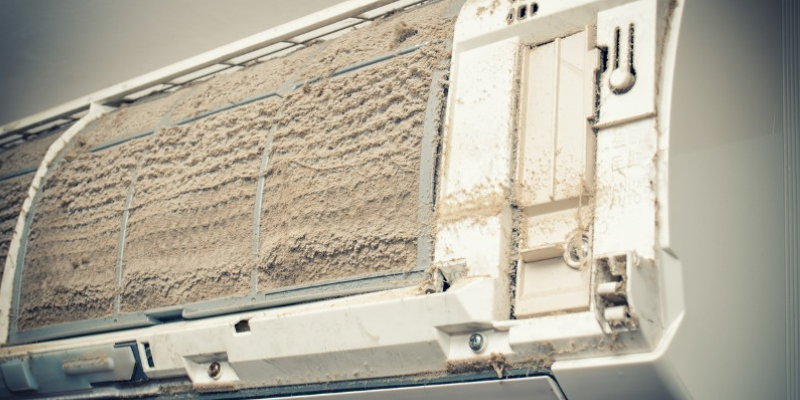
It might not appear to be a big problem but a dirty air filter can cause serious issues in your cooling system. Airflow through the evaporator coil is limited when the filter gets clogged with dust and debris.
Lack of airflow leads to excessive cooling of the evaporator coil and then, freezing. After the ice melts, the system will have excess water that will leak through the ductwork or AC vents.
One of the simplest methods of avoiding AC vent leakage is to replace your air filter regularly. The majority of filters should be checked monthly and changed every one to three months based on the use, the quality of indoor air, and pets at home.
Airflow should not be blocked so it is more energy efficient and thus, it will allow your air conditioner to cool your house better.
Frozen Evaporator Coil
Another significant cause of water dripping out of your AC vent is a frozen evaporator coil. The evaporator coil absorbs the heat in the indoor air; however, when the airflow is low or the refrigerant concentration is low, the coil may freeze.
When the ice finally melts, the drain system is overwhelmed with the extra water, which spills out through the vents or ceilings. This is a particular problem in hot weather when the air conditioner is on all the time.
The most common causes of frozen evaporator coil are:
- Dirty air filters
- Blocked air vents
- Low refrigerant levels
- Faulty blower fans
- Dirty evaporator coils
When you observe poor air circulation, uncharacteristic ice formation, or warm air in the vents, switch off the system. If the unit is left to operate, it may cause more damage and costly repairs.
An experienced HVAC specialist will be able to check the system, find the root cause, and restore the normal functioning in a safe manner.
Damaged or Poorly Insulated Ductwork
The issue in other houses is not the air conditioner, but the ductwork that is attached to it. Ducts that run through hot places, such as attics, may have condensation if they are not well insulated.
As warm air comes into contact with cold duct surfaces, moisture condenses outside the ducts and can drip through the surrounding AC vents. With time, the insulation may be damaged, which may aggravate the situation and raise the humidity levels around the vent openings.
Leaky ductwork may also draw humid air into the system, raising the level of condensation and lowering the cooling efficiency.
Symptoms of condensation issues in the ducts include:
- Dripping of water only in humid weather
- Moist insulation around vents
- Mold that develops around ceiling vents
- Lack of even cooling in the house
Effective duct insulation is used to ensure that the temperatures are kept constant and moisture is not accumulated. Duct sealing also enhances comfort inside your home and reduces energy expenses.
High Indoor Humidity Levels
Too much humidity in a house may also cause dripping from AC vents. The natural process of air conditioners is to take out moisture from the indoor air, but when the humidity is too high, it may overload the system.
In cases where the humidity is excessive, condensation will occur quickly around the vents and duct surfaces. This is particularly prevalent in summer or in houses that are poorly ventilated.
Indoor humidity enhancing activities include:
- Long hot showers
- Cooking without ventilation
- Drying clothes indoors
- Poor attic ventilation
When the humidity is always high, then your AC system might not be able to effectively remove enough moisture.
Whole-home dehumidifiers or better ventilation can minimize excess humidity and prevent condensation around vents. Keeping the humidity of the indoors at 30-50 percent provides a more comfortable atmosphere and prevents the HVAC system from being affected by moisture.
How to Prevent Water Dripping from AC Vents
The first step in preventing AC vent leaks is regular maintenance and early detection of warning signs. Minor problems may easily escalate into big ones when left unattended.
The following are some of the practical measures that can be taken to ensure that your AC vents do not drip water:
- Change air filters
- Schedule professional AC maintenance annually
- Maintain condensate drain lines
- Make sure that ducts are insulated
- Measure the humidity in the house
- Maintain open and clear vents
- Address refrigerant issues promptly
Regular check-ups can be used to detect issues before they can lead to water damage or mold. A properly serviced air conditioning system is more efficient, remains more durable, and keeps your house consistently comfortable.
When the water keeps dripping out of your AC vent even after simple troubleshooting, then you should call an HVAC expert. Constant leakages can be a sign of more serious mechanical problems that need professional diagnosis and treatment.
Neglecting the issue may cause damaged ceilings, drywall, mold, and increased energy expenses. Taking quick action protects both your cooling system and your home.