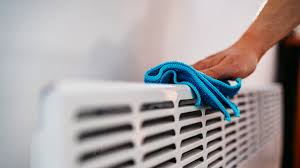
Dust seems to appear out of nowhere. You dust your shelves, sweep the floors, and wipe the furniture, only to realize that there is another layer of dust a day later. Not only is a dusty house irritating, but it can also influence the quality of indoor air and exacerbate allergies. Cleaning and HVAC professionals believe that there are some potential reasons why your home is dustier than it should be.
The following are the best explanations of why your home is always dusty and what the professionals suggest.
Dirty or Low-Quality Air Filters
One of the major causes of excess dust is a dirty HVAC air filter. Air is always circulating in your heating and cooling system. Once the filter gets clogged, it is no longer able to trap dust, pet dander, and airborne particles.
This causes such particles to keep floating in the air; they ultimately end up on your furniture, floors, and surfaces.
How to Fix It
Change your air filters in the HVAC system every one to three months, depending on the conditions in your home. Pets, smokers, or allergy sufferers in the home may require more frequent changes. Many professionals also suggest to upgrade to high-efficiency filters that do not restrict airflow and capture smaller particles.
Dust accumulation can also be minimized through regular HVAC maintenance for better indoor air quality.
Your Home Has Poor Ventilation
Inadequate ventilation in the house may cause dust to settle more quickly and persist longer. When the air is stagnant, the particles do not have a place to move, so they settle on surfaces more readily.
Poor ventilation is particularly likely in bathrooms, kitchens, and laundry rooms, and can add to the dust and other indoor pollutants.
Signs of Poor Ventilation
- Rooms are stuffy or damp
- Dust accumulates soon after cleaning
- Stagnant smells are still in the house
- There is condensation on windows
How to Improve Airflow
Open windows when the weather is good, and use exhaust fans frequently. The air can also be circulated and filtered with the help of ceiling fans and portable air purifiers. To minimize the level of airborne dust, professionals usually recommend the use of a HEPA air purifier in rooms with high traffic.
Carpets and Rugs Trap Dust
Carpet fibers are dust magnets. They entrap dirt, dead skin cells, pollen, pet hair, and debris deep in the material. Carpets might appear clean, but still they might have huge quantities of dust that is released into the air every time a person walks through the room.
Older carpeting and thick rugs are more likely to retain even more particles.
How to Minimize Carpet Dust
Vacuum carpets at least twice a week with a vacuum that has a HEPA filter. Slow vacuuming is more effective as it picks up embedded dirt better. Carpets should also be deep-cleaned after every six to twelve months, as advised by experts.
In case of severe dust allergies, many pros recommend replacing the current flooring material with hardwood, tile, or vinyl, which will decrease the amount of dust indoors.

Pet Hair and Dander Build Up Quickly
A significant source of household dust is pets. Fur, skin flakes, exterior dirt, and dried saliva are all sources of airborne particles within the home. Dust can build up very quickly, even in houses that have short-haired pets.
Pet dander is particularly lightweight, which means that it can remain in the air longer before it settles.
How to Control Pet-Related Dust
Ensure that pets are brushed frequently to get rid of loose fur before it moves around the house. Frequent washing of pet bedding also helps to decrease the dander.
Vacuum upholstery, curtains, and rugs frequently, as these areas are more likely to hold pet hair. HEPA filters on air purifiers are also very useful in homes with animals.
You’re Dusting the Wrong Way
Many people accidentally spread dust around instead of removing it. Dry cloths, feather dusters, or old rags can blow the particles back into the air, where they will settle again.
Professional cleaners suggest using tools that can trap dust instead of pushing it around.
Better Dusting Methods
Wipe with microfiber cloths since they do not disperse dust particles. Another effective way of preventing dust from becoming airborne is damp dusting.
Always wash downwards. Vacuum floors after starting with ceiling fans, shelves, and higher surfaces. This will avoid the falling of dust on already cleaned surfaces.
Your Windows and Doors May Have Leaks
Small cracks near windows and doors enable outside dirt, pollen, and debris to get into your house all the time. This may greatly contribute to the level of indoor dust over time.
Older homes are particularly susceptible since the seals and cracks can be worn out and not noticed.
Common Signs of Air Leaks
- Accumulation of dust around windowsills
- Increased pollen indoors
- Higher energy bills
How to Seal Your Home
Check doors and windows to see whether they have any visible gaps or worn weather stripping. Outdoor contaminants can be minimized by sealing leaks with caulk or weather stripping and maximizing energy efficiency.
Professionals also suggest inspecting attic areas and ductwork to confirm that they are not leaking and that they can draw dust into the house.
Clutter Collects More Dust
The more objects you leave on the table, the more dust can be deposited on them. Dust accumulates on books, decorations, piles of paper, blankets, and unused things.
Clutter also complicates the cleaning process since it obstructs access to surfaces that require frequent maintenance.
Why Minimal Spaces Stay Cleaner
Houses that have fewer exposed objects are simpler to dust and vacuum clean. Experts tend to comment that decluttering can significantly decrease the dustiness of a house.
Easy Decluttering Tips
- Keep seasonal products in closed containers
- Reduce unnecessary decorations
- Arrange shelves and countertops
- Store clothes in closets or drawers
Even small reductions in clutter may make cleaning quicker and assist in keeping dust at bay.