The quality of indoor air contributes significantly to the provision of a healthy and comfortable living environment. Most people pay attention to cleaning floors, carpets, and furniture and tend to ignore one significant aspect of the home: the air duct system. Air ducts may accumulate dust, dirt, allergens, and even mold over time since they circulate cooled and heated air in the house. Many will then pose great question: should I think about sanitizing air ducts in my house?
The response to this question is based on several factors such as the state of your HVAC system, the cleanliness of your house, and the presence of allergies or respiratory problems in any of your family members. Knowing the advantages, restrictions, and symptoms that show that your ducts might require some care can guide you to make the correct choice.
What Is Air Duct Sanitizing?
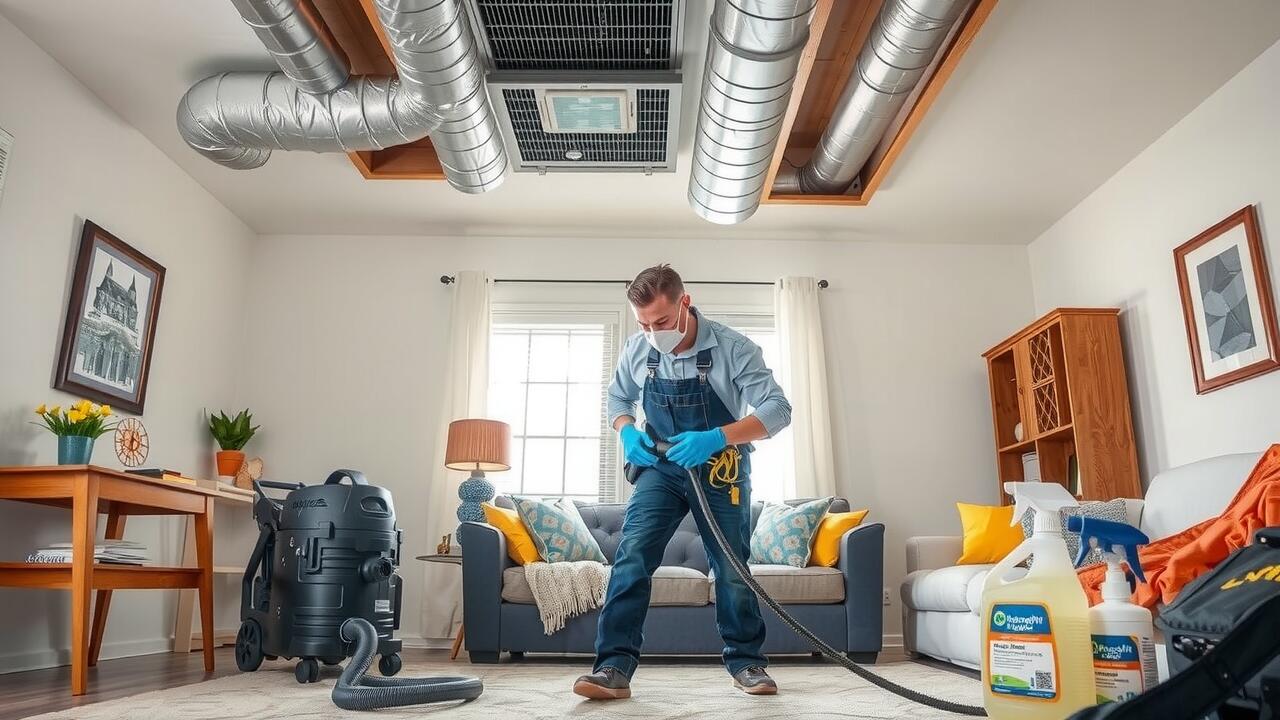
Air duct sanitizing refers to the procedure of cleaning and disinfecting the ductwork that is linked to your heating and cooling system. The goal is to eliminate dust, bacteria, mold spores, pet dander, and other particles that can be spread in your indoor air.
HVAC technicians are usually equipped with special tools to clean the ducts and then apply sanitizing products that have been approved to minimize the growth of microbes. It is more than just a normal dust removal; in addition, it enhances the general cleanliness of the ventilation system.
Air duct sanitizing is often done by many homeowners following renovations, water damage, pest infestations, or extended intervals without HVAC maintenance.
Why Clean Air Ducts Matter
Your HVAC system constantly circulates air in your home. When the ducts are not clean, then the contaminants can be transferred to living areas each time the system is used. The accumulation within the ductwork can, over time, impact the quality of indoor air and the performance of the HVAC.
Clean air ducts may help achieve:
- Better airflow
- Reduced dust circulation
- Improved indoor air quality
- Fewer unpleasant odors
- A healthier living environment
- Less load on HVAC systems
Though sanitizing air ducts is not always a necessity, the failure to clean seriously contaminated ducts can lead to unnecessary issues.
Signs Your Air Ducts May Need Sanitizing
Not all houses need a regular duct clean, but there are some red flags that it might be time to think about hiring a professional.
Excessive Dust in the Home
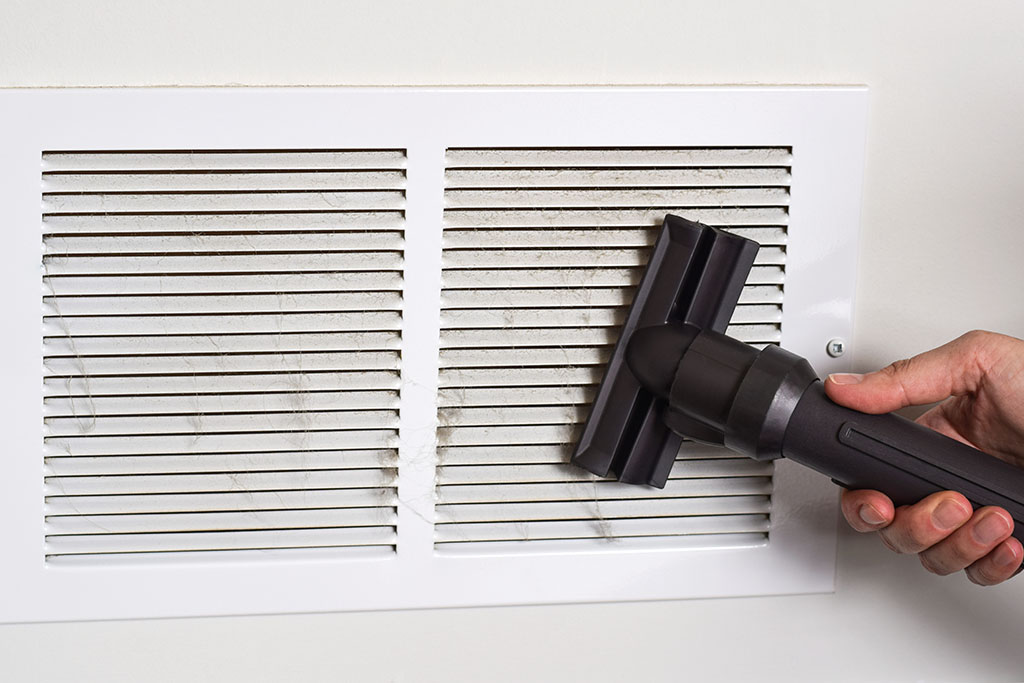
If you see dust forming rapidly on furniture and surfaces despite cleaning, it may be that dirty air ducts are contributing to the issue. Dust that gets into ductwork can be recirculated throughout the house.
Mold Growth Around Vents
Mold that is visible around vents or in ducts is a severe issue. Mold spores may spread in the air and impact indoor air quality. When moisture gets into the HVAC system, it can be sanitized to avoid additional contamination.
Unpleasant Odors
Constant stuffy or stale odors emitted by vents are usually a sign of accumulation in the duct system. Sanitizing may be used to remove odors due to mold, bacteria, or debris.
Allergy or Respiratory Symptoms
Individuals who are allergic, have asthma, or are sensitive to the quality of the air they breathe can have their symptoms aggravated by poor indoor air quality. Contaminated ducts may add to the airborne irritants in the house.
Recent Renovation or Construction
Construction work generates a lot of dust and debris which can get into the duct system. Sanitizing air ducts after remodeling may assist in getting rid of residual particles and enhancing the quality of air.
Pest Infestations
Waste, bacteria, and unpleasant odors can be left by rodents or insects within ductwork. Cleaning and sanitizing are particularly crucial in such cases.
Benefits of Air Duct Sanitizing
Numerous homeowners testify to the obvious improvement of the situation after professional duct sanitizing. Although the outcomes can be different based on the state of the system, there are many advantages that are typically linked to the service.
Improved Indoor Air Quality
Cleaner indoor air is one of the greatest benefits of air duct sanitizing. The elimination of pollutants in the HVAC system can help to decrease airborne particles and make the home environment fresher.
This may be particularly useful in homes with pets, smokers, or those with allergies.
Enhanced HVAC Efficiency
Airflow can be limited when ducts are filled with dust and debris. Cleaner ducts enable the HVAC system to be more efficient, which may lessen the load on the equipment.
Sanitizing alone might not significantly reduce the energy bills, but it can assist in overall system performance.
Reduced Household Dust
Contaminated ducts may continuously emit dust into the living areas. Sanitizing also results in less dust accumulation around furniture and vents, as observed by many homeowners.
Odor Removal
Sanitizing of air ducts can be done to remove the odors that are left behind by mold, mildew, smoke, or pests. A clean duct system can also help make the house smell fresher.
Longer HVAC System Lifespan
Periodic service of the HVAC system, such as occasional cleaning and sanitization of ducts, can minimize the wear and tear on heating and cooling equipment. Fewer airflow-related problems are usually encountered in cleaner systems.
Are There Any Drawbacks?
Although there are many potential advantages to air duct sanitizing, not all homes will require it.
When your ducts are fairly clean and you do not see any evidence of mold, pests, or excessive dust, then regular HVAC maintenance can be adequate.
Poor cleaning practices may also harm ductwork or cause contaminants to be released into the air when done improperly. This is why it is necessary to select a competent and skilled HVAC specialist.
Homeowners also need to understand that sanitization of air ducts is not a sure-fire remedy to indoor air quality problems. Issues related to inadequate ventilation, humidity, or outdoor contaminants might need other solutions.